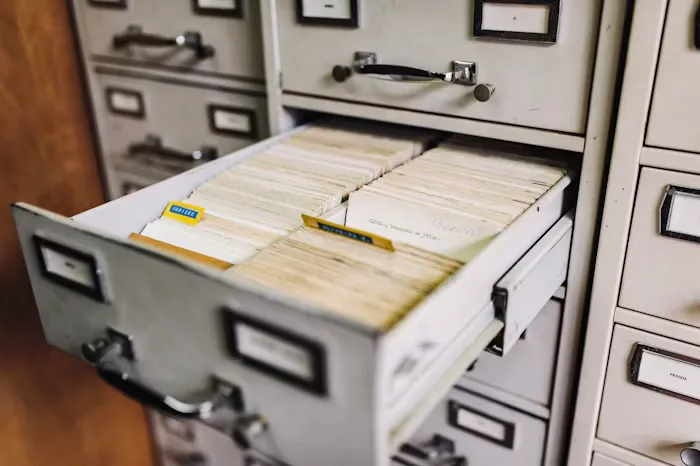
Email is where the record of a commercial relationship actually lives. When a contract dispute, an employment claim or a regulatory question arises, the correspondence is the evidence, and the ability to produce it — or the failure to — shapes the outcome.
Two capabilities matter and they are different. Archiving means email is captured and retained independently of what the user does with their mailbox. Legal hold means retention is suspended for a defined set of accounts or search criteria, so nothing is deleted while a matter is live, regardless of policy.
A retention policy without a hold mechanism is a liability. If your policy deletes mail after three years and a dispute arises about a four-year-old project, you may be fine — or you may face questions about whether deletion continued after you were aware of the matter. The distinction turns on timing, and timing is what a hold records.
Both Microsoft 365 and Google Workspace include the capability, in Purview and Vault respectively, though usually in higher licence tiers than the baseline. Organisations discover the tier requirement at the moment they need the feature, which is the worst time to raise a purchase order.
Test the search before you need it. An archive you have never queried is an assumption. Run a realistic search — all mail to and from a departed employee about a named project across two years — and time it. If the answer takes days or returns unusable volume, you have a process problem that a legal deadline will not accommodate.
Set the retention period deliberately rather than by default. Keeping everything forever sounds safe and increases both storage cost and the volume that must be reviewed in any future dispute. Keeping too little removes your own best evidence. The right answer is a documented decision, made with whoever handles your contracts.